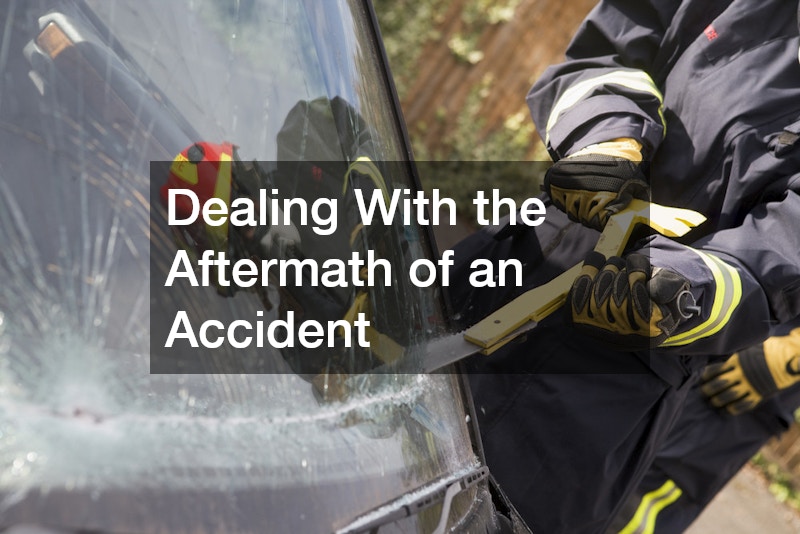
A traffic collision happens in a split second, but its aftermath can disrupt your life for months. The sudden impact triggers a rush of adrenaline that masks pain, impairs judgment, and leaves even the most composed drivers feeling disoriented. In the moments following a crash, you are forced to make critical decisions regarding your health, property, and legal rights while dealing with shock, aggressive insurance adjusters, and complex administrative procedures.
Recovering from a collision is a multi-front battle. It requires managing physical healing, restoring your vehicle to safe operating condition, and protecting your financial stability. Without a clear strategy, it is easy to make costly mistakes, such as accepting an early, lowball insurance settlement, neglecting late-onset physical injuries, or allowing towing yards and repair shops to overcharge you.
This guide provides an actionable roadmap through every phase of post-accident recovery. By taking systematic, proactive steps, you can regain control of your situation, protect your health, and ensure that your rights and financial interests remain fully safeguarded.
Immediate On-Scene Safety and First Steps
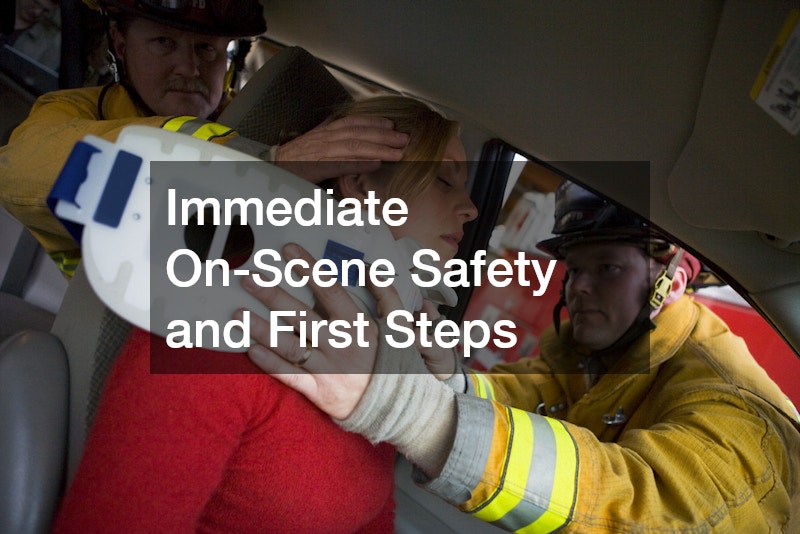
The moments immediately following an impact are the most critical for personal safety and evidence preservation. Panic is your greatest enemy; taking controlled, deliberate actions ensures everyone’s safety and lays the groundwork for subsequent insurance or legal claims.
- Secure the immediate area: If your vehicle is still operable and remaining in traffic poses an ongoing danger, carefully move it to the shoulder or a nearby parking lot. Immediately turn on your hazard lights. If the vehicle cannot be moved, stay inside with your seatbelt fastened until emergency personnel arrive, provided it is safe from fire or fluid leaks.
- Assess for injuries: Check yourself and your passengers for severe harm, bleeding, or loss of mobility. Do not attempt to move anyone who complains of neck or back pain unless there is an immediate life-threatening hazard like a vehicle fire.
- Contact emergency services: Call 911 immediately. Clearly state your location, report any visible injuries, and request police response. An official police report provides an objective, third-party account of the scene, which is indispensable when dealing with reluctant insurance carriers later.
- Gather objective evidence: Once safety is established, use your smartphone to document the crash site thoroughly before vehicles are moved or debris is cleared.
- Take wide-angle shots of the entire scene, showing lane markings, traffic signals, weather conditions, and skid marks.
- Photograph close-up damage on all vehicles involved, including license plates.
- Capture images of visible physical injuries, such as cuts, bruises, or lacerations.
Securing and Safeguarding Your Vehicle at the Scene
If your car suffers severe structural or mechanical damage and cannot be driven safely, removing it from the roadway becomes an immediate priority. Managing this process correctly prevents extra stress and unexpected out-of-pocket expenses.
When emergency responders arrive, they often dispatch rotation tow trucks to clear blocked lanes quickly. However, as a vehicle owner, you generally retain the right to select your own service provider. Requesting a trusted towing service allows you to control where your vehicle is transported, whether to your home, a trusted repair facility, or a secure storage yard.
Before your vehicle is hooked up and hauled away, take a moment to retrieve all critical personal belongings. Collect your vehicle registration, insurance cards, personal electronics, garage door openers, and any high-value items from the cabin and trunk. Once the car leaves your sight, gaining access to it at an impound facility can involve tedious administrative hurdles.
Be mindful of storage fees. Towing yards charge daily fees for housing wrecked vehicles. If your car sits in a storage lot over a weekend while insurance companies debate fault, those impound fees can multiply rapidly. Direct the driver to haul the vehicle straight to an approved facility or ensure your insurance adjuster authorizes the storage location immediately to avoid footing a massive bill yourself.
Protecting Your Health and Uncovering Hidden Harm

When an impact occurs, your body releases a massive surge of adrenaline and cortisol. This natural “fight or flight” response acts as a temporary painkiller, masking symptoms of physical trauma for hours or even days after the event.
Because of this physiological buffer, relying on how you feel at the scene is dangerous. You should seek an evaluation at an emergency room, urgent care center, or primary care facility on the same day as the crash. Beyond protecting your physical health, an immediate medical evaluation establishes a formal paper trail connecting your injuries directly to the collision. Insurance adjusters frequently deny claims for medical care if there is a gap of several days between the accident and your first medical visit.
Late-onset auto accident injuries are extremely common in rear-end and side-impact collisions. Soft tissue damage, micro-tears in ligaments, internal bruising, and mild traumatic brain injuries often do not manifest until inflammation builds up over 24 to 72 hours.
- Whiplash: Sudden hyper-extension and hyper-flexion of the neck can strain muscles and ligaments, leading to stiffness, severe headaches, and shoulder pain days later.
- Concussions: You do not need to strike your head directly on a window or steering wheel to suffer a concussion. The rapid sloshing of the brain inside the skull during a sudden stop can cause cognitive fog, light sensitivity, and nausea.
- Back and spinal trauma: Herniated discs, sciatica, and lumbar strain often start as minor aches before developing into debilitating chronic pain.
To support your recovery and protect your claim, maintain a daily symptom journal. Record your physical pain levels on a scale of 1 to 10, note any mobility limitations, track sleep disruptions, and document how your injuries impact your daily personal and professional activities.
Specialized Physical Recovery and Rehabilitation
Restoring your body after a collision requires specialized care tailored to musculoskeletal and neurological trauma. Standard primary care doctors often prescribe muscle relaxants or pain medication to mask symptoms, but long-term recovery depends on restoring physical function and structural alignment.
Integrating specialized car accident chiropractors into your care plan can resolve underlying spinal misalignments and joint dysfunction caused by high-impact forces. Targeted chiropractic adjustments reduce nerve irritation, decrease localized inflammation, and restore natural biomechanics to the spine. Complementary soft-tissue therapies, such as myofascial release and electronic muscle stimulation, break down acute inflammation before it hardens into painful, permanent scar tissue.
As your acute pain subsides, transitioning your care to a dedicated rehab center or physical therapy facility ensures a complete functional recovery. Rehabilitation programs focus on rebuilding core strength, expanding restricted range of motion, and retraining muscles to support healthy posture.
Strict adherence to your prescribed care plan is essential. Skipping therapy sessions or terminating treatment prematurely not only slows your physical healing but also provides insurance defense teams with leverage to argue that your injuries were exaggerated or fully resolved.
Navigating Legal Representation and Rights Protection
Dealing with insurance adjusters after a crash can be a trap for the unprepared. Adjusters are trained professionals whose primary objective is to minimize their company’s financial liability. Shortly after the crash, you will likely receive a call from the other party’s insurance provider requesting a recorded statement or offering a quick cash settlement.
Important: Never give a recorded statement or sign any liability release without legal counsel. Early settlement offers almost always undervalue long-term medical needs, lost earning potential, and non-economic damages like pain and suffering.
Retaining skilled auto accident lawyers early in the process balances the playing field. An experienced attorney takes over all communications with insurance companies, handles complex administrative paperwork, conducts an independent investigation into liability, and ensures critical evidence is preserved.
When cases involve disputed fault, severe permanent injuries, or multi-vehicle collisions, car accident attorneys prove essential. They calculate the true value of your claim, negotiate aggressively with stubborn insurance carriers, and, if necessary, file a formal lawsuit to secure the full financial compensation you deserve under the law.
Assessing Vehicle Damage and Fair Valuation
Evaluating vehicle damage requires a thorough inspection beyond surface-level dents and scraped paint. Modern vehicles are built with crumple zones designed to absorb impact energy, which means severe structural frame damage can exist beneath intact plastic bumpers.
Insurance company field adjusters are tasked with writing initial repair estimates, but these assessments are frequently conservative. They may omit hidden mechanical issues or specify low-cost, non-OEM parts. Obtaining an independent assessment protects you from incomplete repairs.
Securing professional auto appraisals becomes necessary when your vehicle is declared a total loss or when pursuing a diminished value claim. A total loss occurs when the cost of repairs plus salvage value exceeds a specific percentage of the vehicle’s actual cash value (ACV).
Insurance companies rely on automated databases that often undervalue vehicles by ignoring recent maintenance, low mileage, or pristine pre-crash condition. Certified appraisers conduct comprehensive market analyses to establish the true replacement value of your vehicle, providing the documentation needed to negotiate a fair settlement.
Restoring Structural and Mechanical Vehicle Integrity
Under the law in most jurisdictions, you have the absolute right to select the repair facility that fixes your vehicle. Insurance companies often push policyholders toward their “preferred” or “network” facilities, claiming it speeds up processing. While these shops offer convenience, their agreements with insurance companies often emphasize cost containment over comprehensive restoration.
Choosing a reputable, independent auto repair shop ensures that your vehicle’s safety and performance are prioritized above an insurer’s bottom line. Look for repair facilities that employ I-CAR or ASE-certified technicians and maintain clean, modern facilities equipped with specialized frame-alignment machinery.
When reviewing repair plans, discuss the specific types of replacement parts being used. Prioritize OEM parts for critical structural and mechanical components, such as suspension arms, subframes, and crumple-zone supports.
A thorough automotive repair process includes repairing mechanical systems, straightening structural unibodies back to factory tolerances, and executing seamless bodywork and paint application.
Before signing a final repair release or accepting your vehicle back, conduct a complete walk-around inspection. Verify that panel gaps are uniform, check that the paint matches under natural sunlight, test all electronic features, and take a brief test drive to ensure there are no unusual mechanical noises, vibrations, or steering pulls.
Specialized Safety Glass Restoration and Finishing Touches
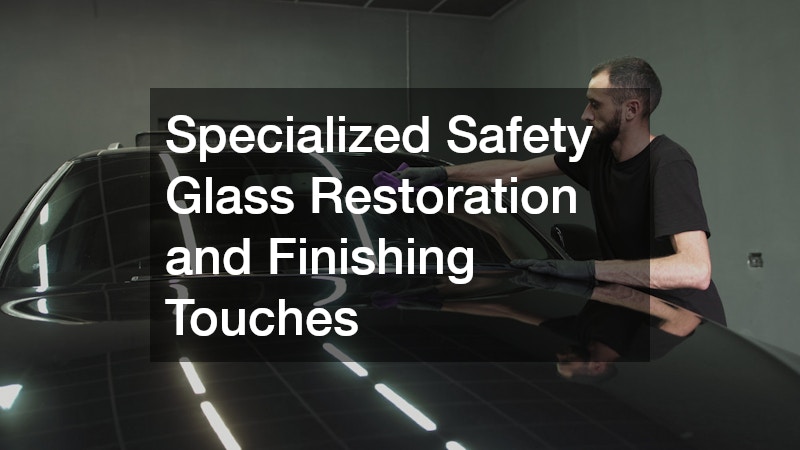
Vehicle glass does much more than block wind and rain, it is a core structural safety component. Your windshield provides up to 30% of a vehicle’s structural cabin strength during a rollover and acts as a backstop for passenger airbag deployment. Driving with cracked or improperly installed glass compromises your vehicle’s safety structure.
If your vehicle suffers windshield or window damage during a collision, schedule an evaluation with a certified auto glass repair specialist. Minor chips or small stress cracks that do not penetrate the inner laminate layer can often be filled with high-grade optical resin, restoring strength and clarity without replacing the entire glass unit.
If the glass is shattered, deeply pitted, or cracked across the driver’s line of sight, a full replacement is required. Modern vehicles present a unique challenge during glass replacement: Advanced Driver Assistance Systems (ADAS). Features like lane departure warnings, automatic emergency braking, and adaptive cruise control rely on cameras and sensors mounted directly behind the upper windshield.
Whenever a windshield is replaced on an ADAS-equipped vehicle, those electronic systems must be recalibrated. Ensure your glass technician utilizes specialized diagnostic equipment to perform dynamic or static sensor recalibration, guaranteeing your vehicle’s safety systems function accurately when you return to the road.
Managing Mental Health and Trauma Post-Crash
While physical injuries and property damage command immediate attention, the psychological footprint of a major collision is often overlooked. Experiencing a sudden, life-threatening event can trigger intense emotional responses that persist long after physical wounds have healed.
Driving anxiety, hypervigilance, and Post-Traumatic Stress Disorder (PTSD) are common after a vehicle crash. You may find yourself experiencing a racing heart rate when approaching intersections, avoiding the specific road where the accident occurred, or suffering from intrusive thoughts and nightmares about the impact. These emotional reactions are normal biological responses to trauma, but if left unaddressed, they can restrict your mobility and lower your quality of life.
- Acknowledge the trauma: Give yourself permission to feel shaken. Suppressing fear or anxiety often prolongs psychological distress.
- Gradual exposure: If driving causes panic, start small. Drive short distances in quiet, low-traffic areas during daylight hours with a supportive companion before tackling highways or heavy traffic.
- Seek professional help: Consult a licensed therapist specializing in trauma and cognitive-behavioral therapy (CBT) or Eye Movement Desensitization and Reprocessing (EMDR). These evidence-based approaches help reframe traumatic memories and reduce anxiety responses.
Moving Forward with Confidence
Recovering from a traffic accident is a marathon, not a sprint. By breaking the process down into manageable steps, securing your immediate safety, prioritizing medical evaluation, asserting your legal rights, and demanding high-quality vehicle repairs, you can navigate this challenging period with clarity and control.
Remember that you do not have to handle the physical, legal, and financial burdens alone. Lean on medical specialists, legal professionals, and accredited repair technicians to protect your interests. Taking systematic, proactive action today ensures that a temporary crisis does not derail your long-term health, financial security, or peace of mind.