Key Takeaways
- Regular car service helps identify wear and potential problems before they develop into more serious repairs.
- Follow the vehicle manufacturer’s maintenance schedule instead of relying on one general service interval.
- Oil, tires, brakes, fluids, filters, and warning lights are important areas every new car owner should understand.
- Keep service records to track completed maintenance, repairs, replacement parts, and upcoming needs.
- Pay attention to unusual noises, warning lights, leaks, vibrations, or changes in how the vehicle drives.
- Choose a trustworthy repair shop that provides clear estimates and explains recommended work.
- Include scheduled maintenance and unexpected repairs when planning your overall car ownership budget.
Owning your first car can bring a new sense of freedom. You can drive to work, visit friends, take road trips, and run errands without depending on public transportation. However, car ownership also comes with responsibilities. One of the most important is keeping the vehicle in good working condition.
If you are new to cars, terms such as oil change, brake inspection, tire rotation, and fluid check may sound confusing. You might also wonder what mechanics mean when they tell you that your vehicle is due for a service.
A car service is a scheduled inspection and maintenance visit designed to check important parts of your vehicle. Depending on the vehicle, its mileage, and the service schedule, technicians may inspect fluids, tires, brakes, filters, belts, lights, and other components. Some items may be replaced during the visit, while others are simply checked for wear or damage.
Understanding how car servicing works can make ownership less intimidating. It can also help you communicate with repair shops, plan for maintenance costs, and notice potential problems before they become more serious.
What Does a Car Service Mean?
A car service is a planned visit to a dealership or repair shop where technicians inspect and maintain the vehicle according to its needs. The exact work depends on the manufacturer’s recommendations, vehicle age, mileage, driving conditions, and previous maintenance.
An oil and filter change is commonly associated with servicing, but a scheduled service may include much more. Technicians might inspect tire condition and pressure, brakes, steering and suspension parts, exterior lights, windshield wipers, and several fluid levels.
The manufacturer’s maintenance schedule is the best starting point for understanding what your specific vehicle requires. This information can usually be found in the owner’s manual or official maintenance information for the vehicle.
A service is different from a repair. Servicing is generally planned maintenance, while a repair addresses a specific problem such as a failed starter, leaking radiator, damaged tire, or malfunctioning air conditioner.
Why Regular Car Service Matters
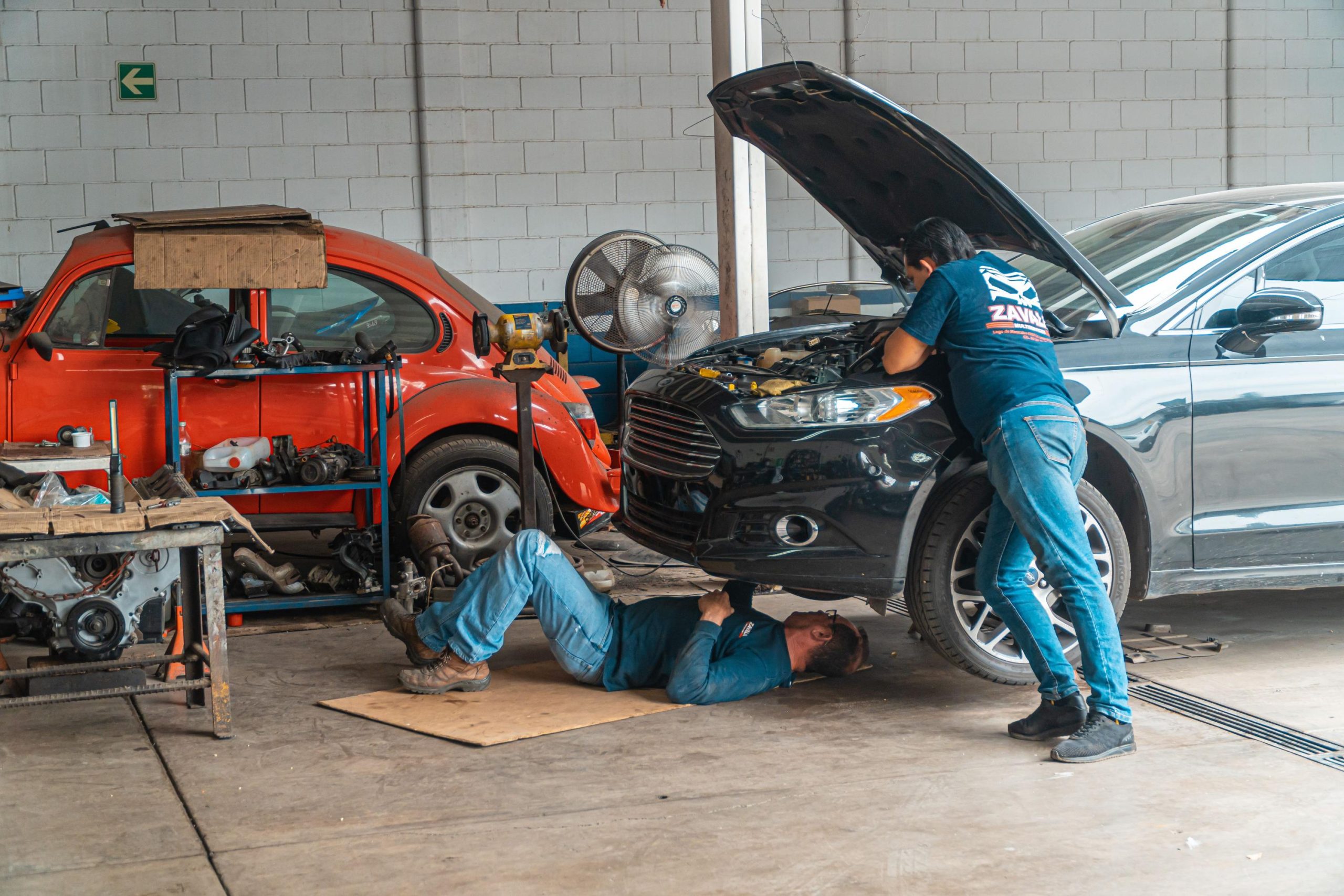
Cars contain thousands of parts that work together every time you drive. Heat, friction, vibration, weather, and normal use gradually wear some of those components down.
Regular servicing gives technicians a chance to inspect important systems before obvious problems develop. For example, brake pads gradually become thinner as they are used. Tires lose tread. Filters collect dirt. Fluids may become contaminated or fall below the correct level.
Finding wear early does not guarantee that you will avoid every repair, but it can give you more time to address certain problems before they become worse.
Regular service also helps you learn what condition your vehicle is in. Instead of waiting for a warning light or unusual sound, you have scheduled opportunities to check parts that may not be easy to inspect yourself.
Keeping maintenance records can also be helpful. Receipts and service records show what work has been completed and when, which makes future maintenance easier to track.
How Often Should You Service Your Car?
There is no single service interval that applies to every car. Vehicle manufacturers create maintenance schedules based on the design of each model.
Some maintenance is based mainly on mileage, while other work may be recommended after a certain amount of time. Modern vehicles may also display maintenance reminders based on mileage, operating conditions, or information monitored by the vehicle.
Always check the owner’s manual instead of relying on a general rule. It will explain recommended intervals for items such as engine oil, filters, spark plugs, transmission fluid, coolant, and other components.
Driving conditions can also affect maintenance needs. Frequent short trips, heavy stop-and-go traffic, towing, dusty roads, extreme temperatures, and other severe conditions may require different service intervals.
If you are unsure which schedule applies to your driving habits, ask a qualified technician to explain the manufacturer’s recommendations for your vehicle.
What Happens During a Basic Car Service?
The exact checklist varies between vehicles and repair shops, so ask what is included before agreeing to a service package.
An engine oil and filter change may be included when required. Engine oil lubricates moving components and helps manage heat and contaminants. Over time, the oil and filter need replacement according to the vehicle manufacturer’s schedule.
Technicians may also inspect the tires for tread wear, visible damage, and proper inflation. Uneven tire wear can sometimes point to alignment, suspension, inflation, or other issues that deserve attention.
The braking system may receive a visual inspection as well. Brake pads, rotors, hoses, and other components can wear over time. If a technician identifies a concern, the shop should explain what was found and whether further inspection or repair is recommended.
Fluid levels may also be checked. Depending on the vehicle, these can include coolant, brake fluid, transmission fluid, windshield washer fluid, and other fluids.
Understanding Routine Maintenance
New car owners sometimes assume maintenance is only necessary when something feels wrong. However, many maintenance tasks are designed to happen before a component fails.
Following a routine car maintenance schedule can include oil and filter changes, tire care, fluid checks, filter replacements, inspections, and other work recommended by the manufacturer. The exact schedule depends on the vehicle rather than a universal checklist.
It helps to keep a simple record of each service. Write down the date, mileage, work completed, and parts replaced. Many repair shops provide digital or printed records, but keeping your own copy makes it easier to understand the vehicle’s history.
Do not replace parts simply because a generic schedule says you should. Check your owner’s manual and consider the actual condition of the vehicle. Maintenance requirements can differ significantly between models.
Oil Changes Explained for Beginners
Oil changes are among the most familiar maintenance tasks, but there is plenty of confusion about how often they are needed.
Older advice sometimes recommends changing oil at one fixed mileage interval for every vehicle. Modern cars, oils, and engines vary, so the manufacturer’s schedule should guide your decision.
During an oil change, old engine oil is drained and replaced with oil that meets the specifications required by the vehicle manufacturer. The oil filter is normally replaced as well.
Using the correct oil matters. Engine oils have different viscosity grades and specifications. Your owner’s manual identifies what the engine requires.
You should also pay attention to the oil warning light. If an oil pressure warning appears while driving, treat it seriously. Follow the instructions in your owner’s manual and stop driving when necessary to avoid possible engine damage.
Tire Care Is Part of Car Ownership
Your tires are the parts of the vehicle that maintain contact with the road, so their condition affects braking, handling, comfort, and traction.
Check tire pressure regularly when the tires are cold, using the pressure specified by the vehicle manufacturer. The correct pressure is commonly listed on a label inside the driver’s door area or in the owner’s manual. Do not assume the maximum pressure printed on the tire sidewall is the recommended operating pressure for your car.
Inspect tread and look for cuts, bulges, cracks, nails, or unusual wear. If one section of a tire wears much faster than another, have the cause investigated.
Tire rotation may also be recommended at certain intervals. Rotation changes tire positions to encourage more even wear, although the correct pattern and schedule depend on the vehicle and tire setup.
Learn the Basics of Brake Maintenance
Brakes are another system every new owner should take seriously. Brake components naturally wear as the vehicle is driven.
Possible warning signs include unusual noises, changes in pedal feel, longer stopping distances, vibration, or a brake warning light. These symptoms can have different causes, so they should be inspected rather than diagnosed by guesswork.
During scheduled maintenance, technicians may measure brake pad thickness and inspect other visible components. If replacement is recommended, ask which parts are worn and why the work is necessary.
Do not postpone a brake inspection because the vehicle still stops. Some brake problems can become more expensive or affect safety if they are allowed to continue.
If the brakes suddenly feel significantly different while driving, respond cautiously and arrange an inspection as soon as safely possible.
Pay Attention to Dashboard Warning Lights
Modern cars use dashboard lights to alert drivers to many conditions. Some are reminders, while others can indicate problems that require quick attention.
The check engine light is one of the most recognized examples. It can appear for many reasons, ranging from emissions-related faults to engine management problems. A diagnostic scan can provide fault codes, but those codes are starting points for diagnosis rather than automatic proof that a specific part needs replacement.
Other important lights may relate to oil pressure, engine temperature, brakes, airbags, tire pressure, charging systems, or stability control.
Learn what the warning symbols on your specific car mean by reading the owner’s manual.
If a warning light appears, note whether it is steady or flashing and whether the car is behaving differently. Follow the manufacturer’s instructions for that warning instead of continuing to drive and hoping it disappears.
Know the Difference Between Service and Repairs
Maintenance and repairs are related, but understanding the difference can make conversations with a mechanic easier.
Maintenance includes planned work intended to keep the vehicle operating properly. Examples may include oil changes, filter replacements, tire rotations, and scheduled inspections.
Repairs happen when something is damaged, worn beyond acceptable limits, or no longer functioning correctly. Replacing a failed alternator, fixing a leaking water pump, or repairing damaged suspension parts would generally fall into this category.
A service inspection can sometimes uncover a repair need. If this happens, ask the shop to explain the problem before approving additional work.
Request an estimate showing parts, labor, and other charges. If the repair is expensive and the vehicle can safely wait, you may also choose to get another professional opinion.
How to Choose a Repair Shop
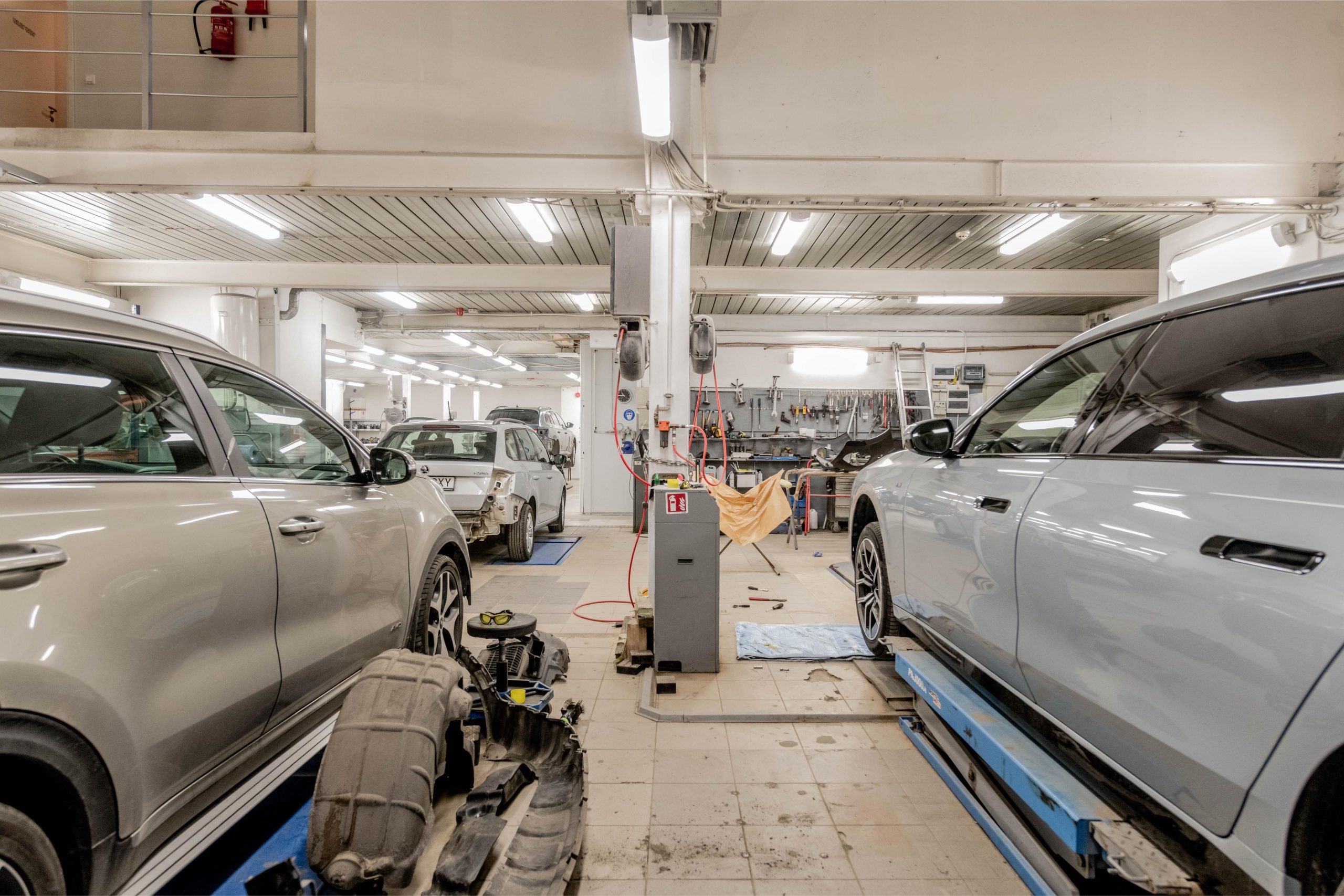
Finding a shop you trust can make car ownership much easier. Start by looking for businesses with appropriate qualifications, clear communication, and a good reputation in your area.
Ask how estimates and approvals are handled. A professional shop should be willing to explain recommended work in language you understand.
When possible, request a written estimate before major repairs begin. Ask whether diagnostic fees apply and whether the shop will contact you before performing work beyond the original estimate.
Keep copies of invoices after each visit. These documents can help you track previous repairs, warranties, parts, and maintenance.
Price matters, but the lowest quote is not always the best choice. Consider workmanship, parts quality, warranties, communication, and experience with your type of vehicle.
Create a Car Maintenance Budget
Car expenses do not end after you make the purchase or monthly payment. Maintenance and repairs should be part of your ownership budget.
Set aside money regularly for expected expenses such as oil changes, tires, filters, inspections, and other scheduled work. You may also want an emergency fund for unexpected repairs.
Costs vary widely depending on the vehicle. A common economy car may have different maintenance costs than a luxury vehicle, sports car, truck, hybrid, or electric vehicle.
Before buying a car, research typical maintenance requirements, tire prices, insurance costs, fuel or charging expenses, and common replacement items.
Planning ahead can make a necessary repair less disruptive to your monthly budget.
Simple Habits That Can Help Your Car Last
Professional servicing is important, but drivers can also develop basic habits that help them notice changes early.
Walk around the car occasionally and check the tires and exterior lights. Pay attention to new leaks where you park. Listen for unfamiliar noises and notice changes in steering, braking, acceleration, or ride quality.
Keep the interior and exterior reasonably clean. Dirt, road salt, moisture, and debris can contribute to wear or corrosion depending on your climate.
Avoid ignoring small problems. A strange smell, warning light, vibration, or fluid leak deserves attention, especially if it appears suddenly.
You do not need to become a mechanic to take good care of a car. Learning how your vehicle normally feels and sounds can help you recognize when something changes.
Conclusion
A car service is a planned opportunity to inspect and maintain your vehicle before normal wear turns into larger problems. Depending on the manufacturer’s schedule, a service may involve oil, filters, tires, brakes, fluids, lights, and other important components.
For a new car owner, the owner’s manual is one of your most useful resources. It explains maintenance intervals, fluid specifications, tire information, warning lights, and other details that are specific to your vehicle.
Keep records, budget for maintenance, check your car regularly, and ask questions when a repair shop recommends work you do not understand. You do not need expert mechanical knowledge to become a responsible car owner. A basic understanding of servicing, combined with consistent care, can help you keep your vehicle safer, more reliable, and ready for the road.