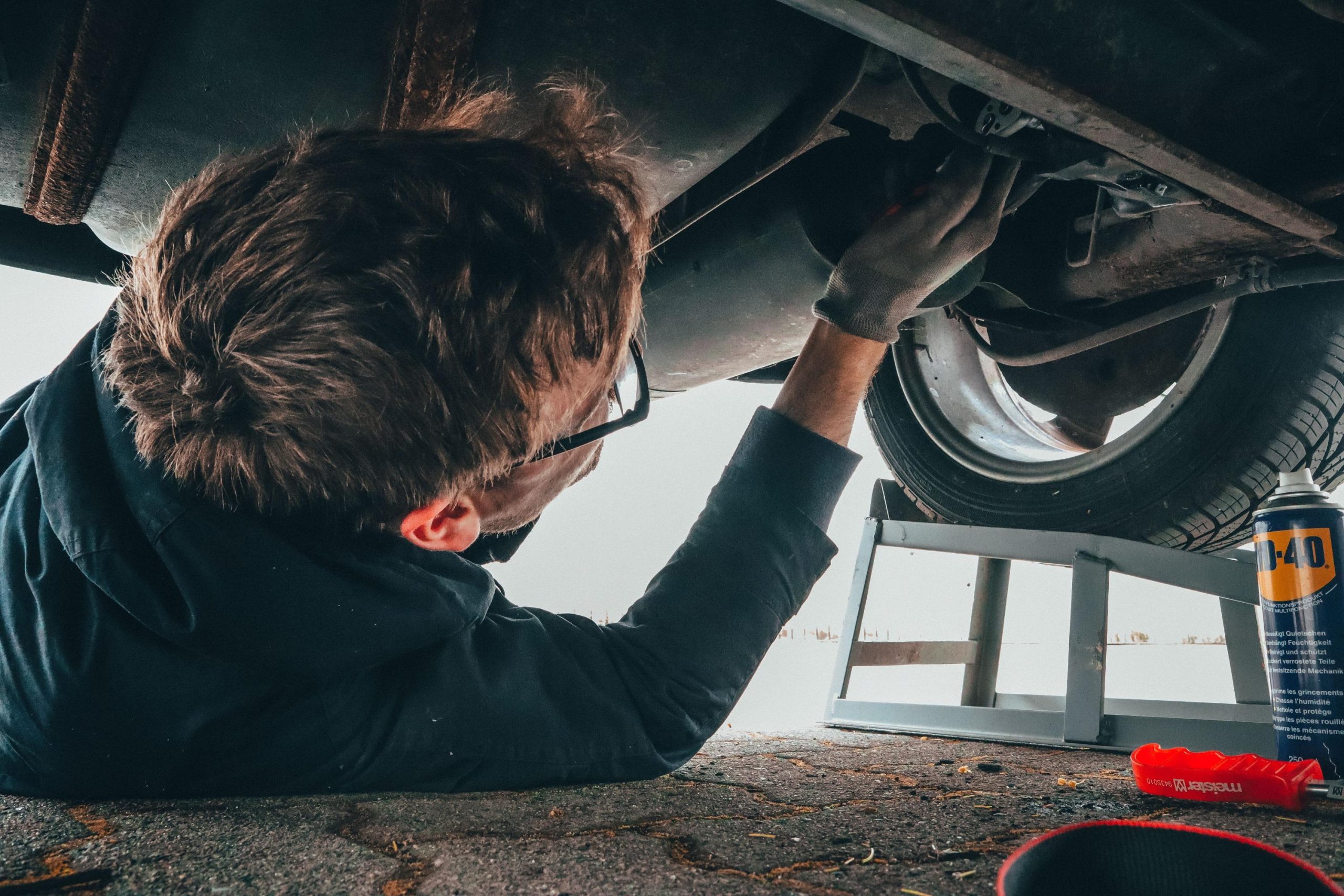
There is a distinct, mechanical poetry to operating a traditional manual transmission that modern dual-clutch gearboxes and automated paddle shifters will never replicate. It is found in the physical feedback through the shift knob, the progressive weight of a diaphragm spring against your left foot, and the acoustic harmony of an internal combustion engine settling into its powerband. Driving a three-pedal car is an intentional physical dialog between human and machine. Yet, within the community of manual enthusiasts, few techniques are shrouded in as much Hollywood myth, mechanical confusion, and outright misunderstanding as the double-clutch downshift.
Pop culture cemented the phrase into the automotive lexicon when a fictional street racer admonished his opponent for “granny shiftin’ and not double-clutchin’ like you should.” The dialogue made for great cinema, but it left a generation of car enthusiasts scratching their heads about what the technique actually accomplishes. In the modern era of synchronized transmissions, many drivers dismiss double-clutching as an obsolete anachronism—a relic of the early twentieth century best left to vintage commercial haulers and unrestored pre-war roadsters.
Dismissing the double-clutch ignores a foundational discipline of vehicle dynamics and mechanical empathy. Far from being a useless historical novelty, understanding and applying the double-clutch bridges the gap between commercial transport durability and spirited sports car performance. It trains your hands and feet to match the exact rotational physics happening beneath the transmission tunnel. Whether you are aiming to preserve fragile bronze synchronizers during hard track days, smoothly drop gears in an aging sports coupe, or simply build an unbreakable bond with an analog machine, learning this rhythmic sequence unlocks a deeper appreciation for the craft of driving.
Demystifying the Mechanical Dance Between Input and Output Shafts
To grasp why the double-clutch technique exists, you must first visualize the internal architecture of a constant-mesh manual transmission. Unlike an automatic unit that relies on fluid couplings, planetary gearsets, and hydraulically pressurized clutch packs, a manual gearbox is a mechanical collection of shafts, bearings, and precision-cut gears. The transmission contains two primary rotating shafts: the input shaft, which is driven directly by the engine flywheel through the friction clutch disc, and the output shaft, which connects downstream to the driveshaft, differential, and drive wheels.
In a constant-mesh design, the drive gears on the output shaft are continuously meshed with the corresponding gears on the countershaft. However, these gears spin freely on needle bearings around the output shaft until a sliding selector sleeve—actuated by your gear lever—locks them to the shaft using tiny interlocking dog teeth. When you downshift at speed, the vehicle’s drive wheels force the output shaft to spin rapidly, while the engine and the disconnected input shaft quickly decelerate toward idle speed. To mesh the lower gear without a violent crunch, the input shaft must be accelerated to match the speed of the output shaft.
Modern street cars employ synchronizer rings—small friction cones, often made of brass or carbon-composite material—that act like tiny mechanical clutches between the selector sleeve and the free-spinning gear. When you push the shift lever toward a lower gate, the synchro presses against the gear, matching its rotational speed before the dog teeth engage. While this makes everyday driving effortless, it subjects those delicate rings to immense friction and heat during aggressive, high-RPM downshifts. Over tens of thousands of miles, aggressive downshifting wears down the fine friction teeth on the synchro rings, leading to notched engagement, cold gear grinds, and eventually complete transmission failure.
The double-clutch downshift completely bypasses this friction wear by doing the synchronizer’s job manually using the engine’s throttle. Instead of relying on a tiny ring of brass to force a heavy steel input shaft to spin up to speed, you use the engine’s power to match shaft velocities while the transmission sits in neutral.
When this mechanical dance goes wrong through years of missed shifts and aggressive gear slamming, catastrophic internal damage is inevitable. Unlike standard modern passenger cars that rely on dedicated specialist facilities for complete auto transmission repair to diagnose electronic solenoid packs and torque converter clutches, a damaged manual transmission requires an experienced rebuilder who understands mechanical tolerances, end-play shims, and bearing preloads.
Maintaining this mechanical connection requires partnering with a knowledgeable local mechanic who appreciates the distinct operational requirements of three-pedal cars. A reliable technician will routinely inspect manual transaxle fluid levels, check hydraulic clutch slave cylinders for fluid seepage, and ensure shifter linkages remain properly aligned, preventing premature wear on delicate gearbox internals.
Traction Management, Heel-and-Toe Integration, and Chassis Balance
While gearbox longevity is a massive benefit, the true beauty of double-clutching reveals itself in vehicle dynamics and chassis stabilization. When driving an automobile hard down a winding backroad or toward a track-day apex, downshifts rarely happen while cruising at a constant speed. They occur under hard deceleration as you approach the turn-in point of a corner. In this high-stakes environment, an uncoordinated downshift will disrupt the vehicle’s dynamic balance.
If you drop into a lower gear and abruptly drop the clutch pedal without matching input shaft speeds, the inertia of the slow-spinning engine acts as an instantaneous brake against the drive wheels. In a front-wheel-drive platform, this causes sudden understeer as the front tires scrub off lateral grip. In a high-horsepower, rear-wheel-drive car, this abrupt engine braking immediately breaks rear tire traction, initiating dynamic axle-hop, an uncommanded snap-oversteer rotation, or a high-speed spin.
Integrating the double-clutch rhythm with threshold braking is the pinnacle of three-pedal driving, universally known as the heel-and-toe double-clutch. Here, the driver’s right foot operates across two pedals simultaneously: the ball of the foot maintains threshold hydraulic pressure on the brake pedal to slow the chassis, while the right heel (or the right outer edge of the foot) rolls over to blip the throttle during the neutral phase of the downshift. Meanwhile, the left foot executes a rapid double-tap on the clutch pedal.
When maximizing performance driving, tires represent your single physical connection to the road. Investing in specialized tire sales outlets allows you to select sticky, track-focused compound tires with reinforced outer shoulder blocks and stiff sidewall construction designed to withstand the lateral forces generated during high-speed, three-pedal corner entries.
Cockpit environment and driver comfort also play an underappreciated role during intense track driving and demanding pedal work. Managing interior temperatures and sun glare preserves physical energy and mental focus. Installing professional car window tinting applies advanced ceramic films across side and rear glass to reject infrared heat and block harsh solar glare. A cooler cabin prevents heat exhaustion during long track stints, ensuring you maintain the fine motor control needed to modulate the brake, throttle, and clutch pedals with surgical precision.
Protecting Cockpit Comfort and Preserving Interior Heritage

Executing clean, split-second footwork demands an optimal driving environment where the physical contact points between human and machine are refined. A driver fighting an unsupportive seat, slippery pedals, or cramped ergonomics cannot develop the smooth, relaxed muscle memory required for consistent double-clutching. Small cockpit details directly dictate your mechanical precision.
The physical arrangement of the pedal box is the primary consideration. Many modern passenger cars space the brake and throttle pedals far apart to satisfy corporate safety regulations, preventing accidental simultaneous pedal application. For the performance enthusiast, this wide gap makes heel-and-toe blips physically awkward or outright impossible without straining an ankle. Enthusiasts frequently install aftermarket pedal extensions or adjust throttle linkage pushrods to elevate the accelerator pedal closer to the brake pedal’s compressed height under hard braking, creating a natural, flat platform for the right foot.
Simultaneously, preserving the authentic materials and ergonomic touchpoints of an analog cockpit requires proactive maintenance. Classic sports cars featuring exposed gated shifters, wooden gearknobs, and vintage leather interiors are particularly vulnerable to environmental degradation. Utilizing premium auto tinting provides comprehensive UV radiation protection, shielding vintage dashboards, leather shift boots, and original center consoles from sun-bleaching, dry-rotting, and unsightly thermal cracking caused by summer heat.
The driver’s seat serves as the critical anchor during spirited driving. When negotiating sharp corners, you should never use the steering wheel or the gear lever to hold your torso upright; doing so introduces unwanted steering inputs and sloppy gear shifts. If the factory seat bolsters in an older car have collapsed from age, your body will slide across the seat, pulling your feet away from the pedal box.
Turning to experienced auto upholstery services allows enthusiasts to rebuild worn seat cushions, reinforce high-density foam side bolsters, and reupholster classic seats in grippy fabrics like Alcantara or perforated leather. Quality upholstery craftsmanship restores original cockpit ergonomics, locking your hips and torso firmly in place so your legs remain free to execute the rapid, complex pedal work demanded by the double-clutch rhythm.
Evaluating Drivetrain Health on Pre-Owned Analog Vehicles
Because modern automotive culture increasingly prioritizes automatic convenience, finding a clean, well-maintained manual sports car on the secondary market is becoming a rare and challenging treasure hunt. When shopping for an enthusiast vehicle, the manual gearbox is often the most abused mechanical assembly on the entire car. Countless prior owners may have ground gears, forced shifts into cold synchronizers, and subjected the clutch to abusive launches.
Conducting a thorough diagnostic test-drive is critical when evaluating a prospective three-pedal purchase. The double-clutch technique itself serves as an invaluable diagnostic tool during an inspection. If a car exhibits grinding noises or severe resistance when dropping into second or third gear during a conventional shift, but slips smoothly and silently into gear when you perform a clean double-clutch downshift, you have pinpointed the exact issue: the synchronizer ring is worn or glazed, but the underlying gear set, slider sleeve, and bearings remain mechanically sound.
When evaluating a prospective used car, a buyer must scrutinize the entire driveline for telltale signs of driver abuse:
- Cold Second-Gear Resistance: Test the transmission when the engine and gearbox are completely cold; worn brass synchros will struggle to bite cold, viscous gear oil, causing notable notchiness or light grinding during the 1-2 upshift.
- Clutch Slippage Under Load: Drive the vehicle in a high gear (such as fourth or fifth) at low RPM and apply full throttle; if the engine revs climb rapidly without a corresponding increase in road speed, the clutch disc friction material is glazed or worn down to the rivets.
Once you have secured a promising pre-owned vehicle, addressing accumulated road grime and physical contamination is an essential first step before embarking on major mechanical upgrades. Investing in meticulous professional auto detailing strips away layers of baked-on road salts, petroleum grime, and wheel-well debris. Detailing specialists use specialized steam cleaning to restore neglected engine bays, deep-clean underbody mechanical components, and rejuvenate faded exterior paint, returning an aged enthusiast car to pristine mechanical and visual condition.
Structural Integrity, Alignment Geometry, and Collision Restoration

A manual transmission does not float independently in space; it is solidly married to the rear of the engine block, supported by heavy rubber or polyurethane crossmember mounts, and precisely located within the structural floor pan of the vehicle chassis. The shift lever you manipulate in the cabin connects to the transmission via solid mechanical rods, spherical rose joints, or flexible Bowden cables. Consequently, the mechanical precision of your shift gates is directly dependent on the structural integrity of the entire chassis.
When restoring a classic or performance vehicle that displays unpredictable shifter binding or uneven tire wear patterns, contracting an accredited auto body repair facility is critical. Experienced collision technicians utilize digital laser measuring benches to verify that unibody pickup points, subframe crossmembers, and suspension mounting horns match the original manufacturer’s blueprint specifications down to the millimeter, eliminating structural flex and binding.
Similarly, severe accidents require heavy structural realignments that extend far beyond cosmetic bumper replacements. Comprehensive car collision repairs require straightening bent longitudinal frame rails, replacing damaged suspension crossmembers, and realigning deformed transmission tunnels. Ensuring the structural envelope of the car is straight and rigid preserves the geometric alignment of your drivetrain, guaranteeing that mechanical linkages remain completely free of binding during high-torque, hard-cornering maneuvers.
The modern automobile has evolved into an astonishing marvel of digital automation. Electric power steering systems filter out road vibrations, electronic stability programs quietly correct driver errors, and computer-controlled dual-clutch transmissions shift between gears in milliseconds faster than the blink of an eye. In this pursuit of clinical speed and passive convenience, the tactile connection between the driver, the engine, and the road has inevitably been diminished.
The double-clutch downshift stands as an enduring defense of mechanical honesty. It is a technique that refuses to surrender human skill to digital convenience, demanding focus, coordination, and an understanding of physical engineering. When you execute a flawless double-clutch downshift—feeling the gear lever glide effortlessly into the lower gate and hearing the exhaust note rise in perfect unison with the chassis speed—you are not merely operating a machine. You are acting as its mechanical synchronization, keeping a classic, tactile art alive every time you slip behind the wheel.