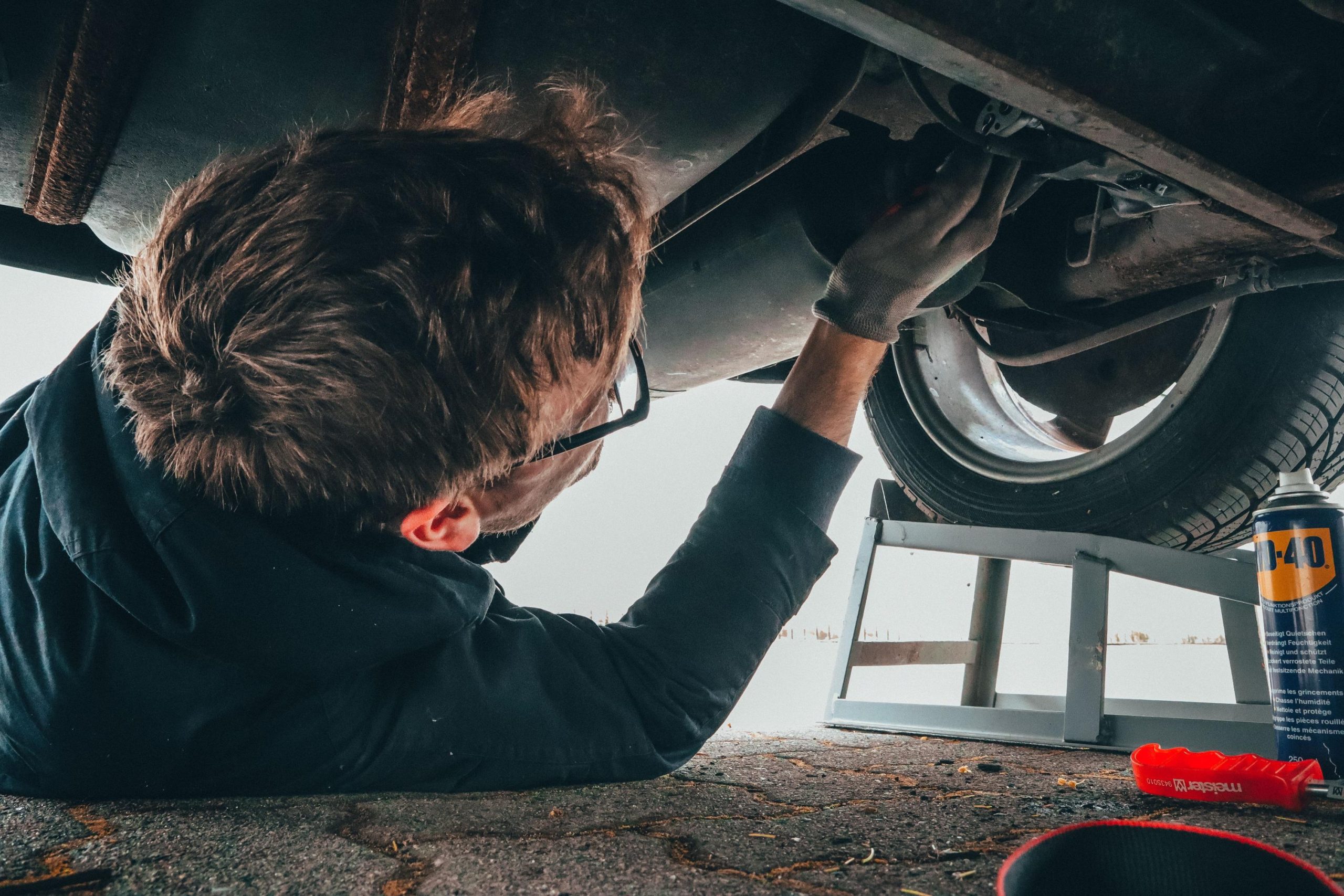
Welcome to the world of vehicle ownership, a rewarding journey that comes with a significant set of responsibilities. For many new drivers and first-time car buyers, the sheer mechanical complexity of a modern vehicle can feel overwhelming, leading to a sense of anxiety whenever an unfamiliar light illuminates on the dashboard. However, understanding the fundamentals of car care does not require a degree in mechanical engineering or years of hands-on experience in a garage. By taking the time to learn a few basic maintenance routines, you can empower yourself to keep your vehicle running smoothly and safely for years to come.
The secret to successful vehicle maintenance lies in proactive prevention rather than reactive fixes. Waiting until a system completely fails often results in massive repair bills, major component replacements, and significant disruptions to your daily schedule. Establishing a regular maintenance cadence builds a strong foundation of reliability, ensuring that your car is always ready for your morning commute or an unexpected weekend road trip. This guide is designed to demystify the essential aspects of vehicle upkeep, giving you the confidence to take control of your car’s health right from the very beginning.
Read Your Owner’s Manual

When you first purchase a vehicle, the thick booklet tucked into the glove compartment might seem like a dense and intimidating technical document, but it is actually your most valuable resource. This manual is the ultimate authority on your specific make and model, offering comprehensive details on everything from decoding confusing dashboard warning lights to understanding the ideal tire pressure for varying load conditions. Instead of relying on generic advice found online, taking the time to thoroughly review this guide ensures you are following the exact specifications engineered by the manufacturer. It lays out the recommended maintenance schedule, fluid capacities, and step-by-step instructions for basic troubleshooting, making it an indispensable tool for any driver who wants to stay informed.
Beyond the basic operational instructions, familiarizing yourself with this documentation can save you a tremendous amount of time and money when professional assistance is eventually needed. By understanding the warranty parameters and recommended service intervals, you can communicate much more effectively with mechanics and service advisors. For instance, if you are looking for highly specialized Honda repair services, knowing exactly what your manual suggests for your current mileage will prevent you from agreeing to unnecessary fluid flushes or premature part replacements. Armed with the manufacturer’s exact guidelines, you transition from an uninformed customer into a knowledgeable vehicle owner who can advocate for your car’s best interests.
Check Your Engine Oil
The engine is the beating heart of your vehicle, and motor oil serves as its vital lifeblood, providing essential lubrication to a complex network of fast-moving metal components. Without adequate oil, the intense friction generated within the engine block would produce catastrophic levels of heat, ultimately leading to mechanical failure and an incredibly expensive replacement. Regularly checking the level and condition of this crucial fluid is one of the most fundamental yet impactful maintenance tasks you can perform right in your own driveway. By simply pulling out the dipstick, wiping it clean, and reinserting it, you can instantly gauge whether your engine has the protection it needs to operate at peak efficiency.
It is also vital to pay attention to the color and consistency of the fluid when you perform these regular checks. Fresh oil typically has an amber hue and flows smoothly, but over time, it absorbs dirt, combustion byproducts, and microscopic metal shavings, turning dark and gritty. When the dipstick reveals sludgy or excessively low oil, it is a clear indicator that an oil change is overdue or that your engine might be burning or leaking fluid. While you can certainly drain and replace the fluid yourself, relying on professional auto repair shops for this routine service ensures the old oil is disposed of in an environmentally safe manner and allows a trained technician to spot potential leaks before they escalate into major problems.
Monitor Your Tire Pressure
Tires are the only contact point between your vehicle and the road, making proper inflation critical for your safety. Underinflated tires create excess friction, decreasing your fuel efficiency and causing the rubber to overheat rapidly. On the other hand, overinflated tires reduce road contact, leading to a much harsher ride and compromised handling during sudden stops.
Proper tire pressure is especially crucial when transporting heavy loads or driving at highway speeds for extended periods. A sudden blowout from neglected tires can easily leave you stranded and frantically searching for a towing service to haul your disabled vehicle to a shop. Proactively checking your air levels prevents these dangerous and costly roadside emergencies.
Rotate Your Tires Regularly

Due to uneven vehicle weight distribution, your tires will naturally wear down at different rates over time. Front wheels handle the vast majority of steering and braking forces, drastically accelerating their tread degradation compared to the rear. To combat this uneven wear and maximize their overall lifespan, it is highly recommended to rotate your tires every few thousand miles.
Regular rotation ensures a smoother driving experience while preventing annoying cabin vibrations that occur at higher speeds. This routine maintenance remains incredibly important whether you use standard factory rims or have invested in a flashy set of custom wheels for your car. Keeping up with a rotation schedule protects your financial investment and ensures predictable handling year-round.
Replace Your Windshield Wipers
Clear visibility is absolutely non-negotiable for safe driving, yet windshield wipers remain frequently neglected in routine car care. Over time, harsh sunlight, freezing temperatures, and road debris cause the soft rubber blades to dry out, crack, and completely lose their flexibility. It is a smart practice to inspect and replace them regularly to guarantee an unobstructed view during bad weather.
Driving with severely worn-out wiper blades can actually cause permanent, irreversible damage to your vehicle. As the rubber deteriorates and tears, the hard metal arm can scrape directly against the glass, potentially forcing you to seek professional windshield repair to fix the deep scratches. Taking a few minutes to install fresh wipers saves you from an expensive glass replacement.
Inspect Your Brake System
Your vehicle’s ability to stop reliably is arguably its most critical safety feature, making brake maintenance an absolute priority for any driver. The braking system relies on a combination of hydraulic pressure and friction materials that gradually wear away with every press of the pedal. Ignoring the early warning signs of brake wear, such as a soft pedal feel or high-pitched squealing, can severely compromise your stopping power. Regular visual inspections ensure these vital components are replaced long before they fail completely.
During a routine inspection, a mechanic will evaluate the thickness of your brake pads, the condition of the rotors, and the integrity of the fluid lines. Whether you are driving a compact commuter car or need specialized truck repair service for a heavy-duty pickup, maintaining optimal braking performance is universal. Addressing grinding noises immediately prevents warped rotors and expensive caliper damage. Keeping your brakes in top condition provides immense peace of mind whenever you encounter sudden traffic or hazardous weather conditions.
Change Your Air Filters

Just as humans need clean air to breathe, your car requires a steady flow of uncontaminated oxygen to function at its absolute best. Vehicles actually utilize two distinct air filtration systems: the engine filter, which keeps dust and debris out of the combustion chamber, and the cabin filter, which purifies the air circulating through your interior vents. Over time, these paper or synthetic filters become completely clogged with dirt, pollen, and leaves, severely restricting necessary airflow and reducing overall performance.
Replacing a dirty engine filter is a quick and inexpensive task that immediately improves your fuel economy and acceleration response. Neglecting this simple maintenance can lead to a sluggish engine or even trigger a check engine light on your dashboard. When seeking routine maintenance or complex foreign auto repairs, mechanics often check these filters as a baseline diagnostic step. Swapping them out annually ensures your engine runs efficiently while keeping the cabin air fresh and free from annoying allergens.
Wash Your Car Exterior
While keeping your vehicle’s exterior clean certainly makes it look fantastic in the driveway, regular washing is actually a fundamental part of preventative maintenance. Road salt, bird droppings, tree sap, and industrial fallout are highly corrosive elements that can quickly eat through your clear coat and underlying paint if left unaddressed. Washing your car every two weeks removes these abrasive contaminants, preventing premature rusting and preserving the structural integrity of the metal body panels for years to come.
A thorough detailing routine should also involve protecting the freshly cleaned surfaces with a layer of high-quality wax to repel water and harmful ultraviolet rays. As you care for the exterior, do not forget to gently clean your glass using products specifically designed for automotive use, especially if you have aftermarket auto window tinting applied. Using harsh household chemicals can permanently bubble or peel these delicate films. Consistent exterior care maintains your car’s resale value and keeps it shining beautifully.
Test Your Car Battery
The modern vehicle relies heavily on a complex electrical system, and the battery is the primary power source that brings the entire machine to life. Without a healthy battery, you simply cannot start your engine, run the headlights, or power the interior electronics. Extreme temperatures, whether the blistering heat of summer or the freezing cold of winter, drastically accelerate the chemical degradation inside the battery casing. Proactively testing your battery voltage with a simple multimeter can give you a clear indication of its remaining lifespan before it leaves you stranded in a grocery store parking lot.
A standard automotive battery generally lasts between three and five years, depending on your driving habits and local climate conditions. This electrical reliability is especially vital if you enjoy going off the beaten path and have equipped your vehicle with high-draw electronic jeep accessories, such as powerful light bars or heavy-duty winches. If you frequently take short trips where the alternator does not have enough time to fully recharge the system, you may find yourself needing a replacement much sooner. Taking a few moments to inspect the battery terminals for corrosive buildup and ensuring a tight connection will keep your electrical system functioning flawlessly.
Refill Your Essential Fluids

While engine oil gets the most attention, your vehicle actually relies on a variety of specialized fluids to operate its many distinct mechanical systems. Power steering fluid ensures the wheel turns smoothly, coolant keeps the engine block from overheating, and transmission fluid allows the gears to shift without hesitation. Regularly opening the hood to check the reservoirs for these vital liquids is a simple habit that takes only a few minutes but provides immense protection against catastrophic mechanical failures. When levels dip below the minimum indicator line, topping them off with the correct manufacturer-approved fluid is essential for maintaining optimal performance.
Monitoring and refilling these liquids becomes even more critical when you place extra strain on the vehicle’s drivetrain. If you frequently haul heavy trailers or utilize various towing accessories to transport recreational equipment, your transmission and cooling systems will run significantly hotter than normal. Failing to maintain adequate fluid levels under these demanding conditions can result in a blown radiator or a severely damaged transmission clutch. By keeping a vigilant eye on your fluid reservoirs and addressing minor leaks promptly, you ensure your vehicle is always prepared for the heavy lifting.
Mastering the basics of car care is not about becoming a professional mechanic; it is about developing a proactive relationship with your vehicle. The machines we rely on daily communicate their needs through dashboard lights, unusual sounds, and changes in driving dynamics, and it is up to the owner to listen and respond appropriately. By establishing a consistent routine of checking your fluids, inspecting your tires, and replacing worn-out components, you drastically reduce the likelihood of unexpected breakdowns and costly emergency repairs. This foundational knowledge grants you the freedom to travel with confidence, knowing that your vehicle is mechanically sound and prepared to handle whatever the road ahead may bring.
Ultimately, the longevity of your car is a direct reflection of the attention and care it receives over the years. Taking ownership of these simple maintenance tasks empowers you to make informed decisions when you do need professional help, preventing minor wear and tear from snowballing into major mechanical crises. As you become more familiar with the rhythms and requirements of your specific make and model, the anxiety of vehicle ownership will quickly fade, replaced by a satisfying sense of competence. The open road is much more enjoyable when you have the peace of mind that comes from a well-maintained machine.