
The era of random, isolated car modifications, slapping on an unpainted fiberglass lip, installing mismatched performance components, or mounting generic accessories to a chassis is officially dead. In its place, a sophisticated, data-driven automotive culture has emerged, completely reshaping how enthusiasts and professional builders approach vehicle modification. Today’s highly advanced automobiles are no longer simple mechanical assemblies; they are tightly integrated ecosystems governed by intricate engine management networks, rigid structural frames, delicate sensor arrays, and complex aerodynamics. Making unvetted alterations to any single component can instantly disrupt factory vehicle dynamics, trigger electronic faults, or induce catastrophic mechanical failures under load.
Successful modern automotive customization requires moving away from piecemeal modifications and adopting a holistic, platform-focused philosophy. This approach tightly couples precision powertrain engineering with advanced structural protection, optimized kinetic footprints, and cutting-edge cosmetic finishes. When you treat your vehicle as a singular engineering canvas, every modification must serve to complement the others, preserving a perfect harmony between mechanical output and structural capability. This comprehensive guide delivers a deep, analytical analysis of the latest shifts in premium car customization, providing the precise technical insights and actionable strategies required to navigate a high-performance build from initial blueprinting to flawless road execution.
Embracing Platform-Focused Powertrain Overhauls
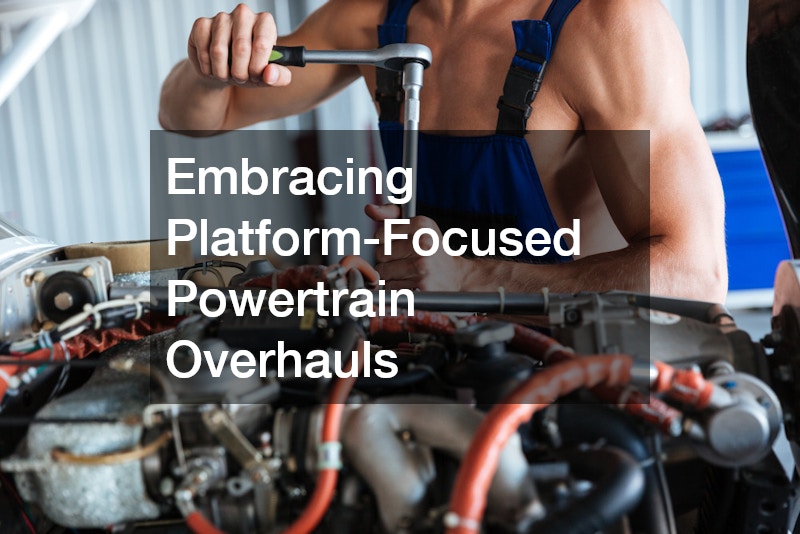
True high-performance customization always begins beneath the hood, but the methodology for extracting reliable horsepower has shifted drastically. In the modern tuning landscape, simply flashing an aggressive engine control unit (ECU) map or bolting on a massive turbocharger without fortifying the underlying mechanical hardware is a recipe for immediate block failure. Modern engines operate under intense factory thermal and structural stresses; scaling up the power output requires a holistic approach to internal engine dynamics, ensuring the rotating assembly can safely manage increased cylinder pressures and elevated rotational forces.
When a builder intends to double or triple a vehicle’s original power output, executing a comprehensive, blueprinted engine rebuild is an absolute prerequisite. A high-level engine rebuild allows technicians to tear down the factory block, measure tolerances down to the micron, and replace weak factory components with forged aluminum pistons, upgraded H-beam connecting rods, heavy-duty head studs, and high-tolerance race bearings. This meticulous blueprinting process establishes an indestructible internal foundation capable of withstanding massive boost pressures and sustained high-RPM operation, turning a temperamental street machine into a relentlessly reliable performance platform.
- Select forged internal components with thermal expansion characteristics that closely match your engine block’s specific alloy composition.
- Execute precision dynamic balancing of the entire crankshaft, flywheel, and clutch assembly to eliminate high-RPM harmonic vibrations.
- Upgrade to a high-volume oil pump and baffled oil pan to prevent oil starvation during high-G cornering maneuvers on the track.
Extracted horsepower is only as effective as the engine’s ability to breathe, which makes optimizing the expulsion of spent combustion gases the natural second phase of a powertrain overhaul. Installing cheap, unbaffled decat piping is an obsolete strategy that degrades low-end torque, triggers check-engine lights, and fails emissions testing. Today’s builders design a highly specialized custom exhaust routing system that balances tube diameters and internal acoustics to maximize exhaust gas scavenging. Utilizing mandrel-bent stainless steel downpipes and high-flow sports catalytic converters, a well-engineered custom exhaust drops restriction across the powerband while maintaining a sophisticated, tuned acoustic note that complies with modern environmental regulations.
Restoring and Fortifying Structural Chassis Foundations
Extracting massive power is entirely meaningless if the vehicle’s underlying chassis cannot manage the kinetic loads transferred through the suspension during aggressive acceleration and heavy cornering. Many builders make the mistake of installing stiff, multi-way adjustable coilovers on an aged or structurally compromised chassis, which quickly accelerates metal fatigue and causes unpredictable handling. The absolute bedrock of a performance handling build is ensuring that the vehicle’s unibody structure or rigid ladder frame is mathematically square and structurally uncompromised.
Over years of aggressive driving, track use, or historic minor fender-benders, microscopic twisting and shifting can develop along structural steel and aluminum rails. To correct these hidden distortions, high-end customization shops utilize computerized laser-measuring systems to execute a high-precision frame repair. A professional frame repair pulls the vehicle’s primary unibody structure back into perfect alignment with factory data parameters, squaring the suspension pickup points and ensuring the chassis tracks flawlessly under intense load, eliminating vague handling characteristics and uneven tire wear.
- Install structural chassis braces, such as strut tower bars and underbody X-braces, to minimize chassis flex during high-load cornering.
- Utilize advanced laser-telemetry rigs to verify that all suspension mounting points sit perfectly square relative to the vehicle’s centerline.
- Reinforce known structural weak points, such as subframe mounting ears, using precision TIG-welded reinforcement plates.
With the underlying chassis framework perfectly squared via precise frame repair, builders can safely install advanced aerodynamics and modified auto bodies to manage high-speed airflow. The modern customization scene has completely outgrown cheap, visual-only fiberglass body kits that add drag without producing stability. Current trends rely heavily on Computational Fluid Dynamics (CFD) to design widened composite auto bodies that actively generate downforce and reduce aerodynamic turbulence. Sourcing carbon fiber front splitters, vented hoods, widened fenders, and functional rear diffusers ensure that your modified panels integrate seamlessly with the factory lines while providing dedicated high-velocity cooling pathways directly to your high-performance brakes and intercoolers.
Engineering the Kinetic Footprint and Unsprung Rotational Mass
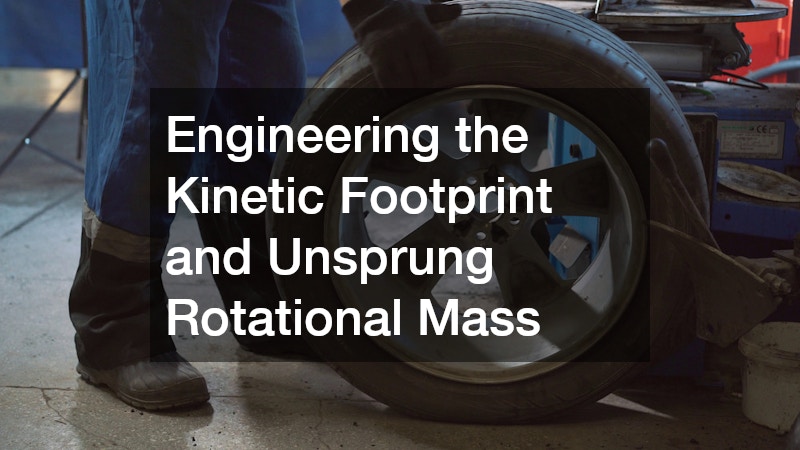
The entire mechanical output of your engine and the structural rigidity of your chassis are ultimately bottlenecked by a single, critical variable: the contact patch where your rubber meets the asphalt. As vehicle platforms evolve to deliver unprecedented levels of torque, optimizing your kinetic footprint requires moving past basic wheel aesthetics and diving deep into compound engineering, unsprung rotational mass calculations, and complex alignment geometry. Selecting the wrong wheel offset or rubber compound can instantly ruin the handling dynamics of an otherwise brilliant build.
When configuring an aggressive, wider stance, builders must prioritize selecting specialized tires that are engineered to handle the exact horsepower output and weight distribution of the vehicle. High-performance tires feature advanced silica-infused rubber compounds and reinforced sidewall structures designed to balance wet-weather water dispersion with soft track grip. Ensuring your tires fit cleanly within the modified arches without rubbing against suspension components guarantees that structural cornering loads are distributed safely across the tire tread, keeping the vehicle firmly anchored to the road during high-speed transitions.
- Match your tire’s speed and load ratings precisely to the projected top speed and gross weight of your modified vehicle platform.
- Utilize a digital tire pyrometer after track testing loops to measure temperature spreads across the tread, allowing for precision adjustments to your camber and toe alignment.
- Select lightweight forged alloy wheels to drastically reduce unsprung rotational mass, instantly sharpening acceleration and suspension response.
To safely manage the elevated kinetic energy generated by upgraded engine platforms and high-grip tires, builders must move past factory braking limitations and source high-tolerance aftermarket car parts. Acquiring premium car parts, such as multi-piston monoblock calipers, massive floating two-piece slotted rotors, and track-certified stainless steel braided brake lines, is essential to eliminate dangerous brake fade during sustained high-performance driving. When sourcing these critical car parts, always verify that the components feature authorized international safety certification stamps and utilize precise factory-spec metric thread pitches to guarantee flawless mechanical integration with your hubs.
Resurfacing Exterior Substrates with Advanced Protective Coatings
Once a custom vehicle’s mechanical powertrain, rigid chassis, and kinetic footprint have been fully engineered to an elite standard, the focus can shift to the visual and aesthetic presentation of the exterior substrates. The days of basic, flat paint jobs or cheap vinyl wraps have given way to highly advanced paint technology and clear chemical overlays that deliver unbelievable visual depth while offering unmatched environmental durability. Modern builders use these cutting-edge refinishing steps to turn their custom creations into breathtaking rolling works of art.
Enthusiasts seeking a truly unique visual signature are increasingly turning to complex, multi-layered car detailing paint processes that involve spraying translucent “candy” colors and prismatic metallic flakes over dark basecoats. This high-end car detailing methodology relies on multiple coats of ultra-clear, low-VOC urethane clear-coats that are meticulously wet-sanded and machine-polished down to a mirror finish. The resulting exterior substrate delivers an incredible, liquid-glass appearance that exhibits intense color-shifting properties depending on the angle and intensity of incoming ambient light.
- Utilize specialized multi-stage decontamination washes, incorporating iron-remover liquids and clay bars, to strip all micro-impurities from the paint before polishing.
- Enforce a multi-pass machine correction process using decreasing abrasive compounds to completely eradicate micro-swirls and holograms.
- Apply high-solids quartz ceramic coatings across the freshly polished clear-coat to add a permanent chemical shield against environmental acid rain.
While intensive multi-stage paint corrections create stunning visual depth, preserving that delicate finish against highway stone impacts, micro-abrasions, and harsh UV radiation requires an advanced physical barrier. To lock in this protection, professional car detailers deploy computer-cut, self-healing Paint Protection Film (PPF) across all high-impact body sections. Elite car detailers can source specialized PPF variants featuring custom satin, matte, or deeply reflective clear top-sheets, allowing a builder to instantly alter the visual texture of their vehicle from high-gloss to a stealthy satin finish without respraying the car. The advanced adhesives used by certified car detailers guarantee that these thick, protective overlays seal tightly around complex body curves and wide fender flares without peeling or discoloring over time.
Establishing Certified Local Technical Partnerships

Navigating a modern, high-performance vehicle customization project is an incredibly complex journey that cannot be executed in isolation inside a basic residential garage. The intricate electronic control systems, custom suspension geometries, and precision engine management computers found on modern modified platforms require specialized industrial tools and advanced diagnostic software to properly calibrate and maintain. To ensure your custom machine performs safely and retains its long-term financial equity, you must build a collaborative relationship with a certified, local technical support network.
When your modified engine computer triggers an unexpected fault code or your custom suspension requires a precise corner-balancing routine, taking the car to a standard, high-volume consumer facility is a major mistake. You must partner with a specialized car repair garage that possesses advanced diagnostic smoke machines, in-house dyno testing loops, and platform-specific coding interfaces. Building a multi-year service contract with an elite car repair garage provides your project with a dedicated team of technicians who understand how to systematically track custom fluid lifecycles and monitor aftermarket component wear, keeping your machine operating safely at the absolute peak of its capability limits.
- Verify that your local service center employs technicians who hold advanced certifications in forced induction tuning and custom suspension setups.
- Ensure the facility possesses an in-house, flush-mounted all-wheel-drive chassis dynamometer to allow for safe, simulated real-world load testing.
- Confirm that your shop maintains direct lines of communication with primary aftermarket component manufacturers to streamline custom part warranty claims.
Beyond a reliable maintenance relationship, executing the heavy fabrication, advanced body sculpting, and custom component assembly stages of your build requires the expertise of top-tier performance auto shops. Sourcing specialized auto shops that focus exclusively on your vehicle’s specific design ethos (such as European sports cars, JDM platforms, or domestic muscle) ensures that the working technicians understand the known weak points and structural characteristics of your chassis. Developing a long-term partnership with these premium auto shops gives you a reliable pipeline for sourcing rare, authentic components, accessing professional custom welding work, and securing the high-level technical advice required to bring your dream machine to life without compromising on safety or structural integrity.
Directing an enterprise-level car customization project is a complex, high-stakes operational journey that demands far more than an appreciation for automotive aesthetics or raw straight-line speed. True modern vehicle customization is a highly disciplined engineering practice that requires you to actively command the physical, structural, and digital variables that govern your machine’s performance. Relying on cheap, unvetted aftermarket accessories, ignoring unibody frame misalignments, bypassing critical engine blueprinting phases, or failing to establish professional diagnostic maintenance networks will invariably expose your asset to catastrophic mechanical breakdowns, structural failures, and massive financial depreciation.
Ultimate success in the custom automotive arena is achieved only when you step fully into the role of a strategic vehicle platform architect who values balance, safety, and meticulous planning above all else. By taking absolute control of your vehicle’s build trajectory, from executing full forged engine rebuilds and precision custom exhaust routing to calibrating your structural chassis via frame repairs, optimizing your footprint with high-performance tires, and preserving your finish through elite car detailers, you successfully insulate your automotive investment from failure. Build an ecosystem of certified auto shops, elite performance fabricators, and specialized diagnostic technicians who respect the engineering realities of your platform. Command your build with technical precision, leverage real-world performance data, and execute your modification pipeline with the absolute mechanical confidence required to turn your automotive vision into a durable, street-legal masterpiece.